
MENDS2
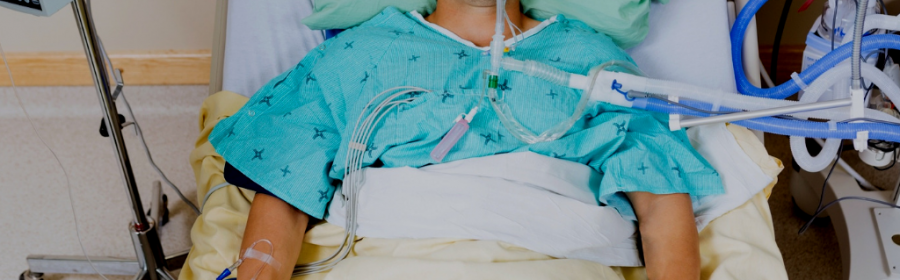
In mechanically ventilated adults with sepsis, does the use of dexmedetomidine, compared with propofol, for continuous sedation improve the number of days alive without delirium or coma?
Continue reading »A compendium of critical appraisals in Intensive Care Medicine research and related specialties
In mechanically ventilated adults with sepsis, does the use of dexmedetomidine, compared with propofol, for continuous sedation improve the number of days alive without delirium or coma?
Continue reading »
In adult patients undergoing rapid sequence intubation for emergency surgery, does pre-oxygenation with high-flow nasal oxygen, compared with standard face-mask oxygen, reduce the incidence of oxygen desaturation?
Continue reading »
In adults presenting with subarachnoid haemorrhage (SAH), does ultra early short term treatment with tranexamic acid improve clinical outcome at 6 months?
Continue reading »
In patients with moderate-severe ARDS, does dexamethasone in addition to routine care, compared with routine care alone increase ventilator free days up to day 28?
Continue reading »
In adult trauma patients with major haemorrhage and hypofibrinogenaemia does the use fibrinogen concentrate (FC) compared to cryoprecipitate (cryo) result in a shorter time to administration?
Continue reading »
In critically ill patients with acute altered level of consciousness and no recent seizures, does continuous EEG (cEEG) compared to repeated routine EEG (rEEG) correlate with reduced mortality?
Continue reading »
In adults presenting to the ED with a corneal abrasion is topical tetracaine more effective than placebo to control pain at a 24-48 hour follow up appointment?
Continue reading »
In patients with or at risk of Acute Respiratory Distress Syndrome (ARDS), can nebulised heparin compared to placebo, accelerate recovery of physical function?
Continue reading »
In patients with acute myocardial infarction and anaemia is a restrictive, compared with a liberal transfusion strategy, non-inferior with respect to major adverse cardiovascular outcomes at 30 days?
Continue reading »
In patients with acute hypoxaemic respiratory failure, does a lower vs higher oxygenation target reduce mortality at 90 days?
Continue reading »