
Zochios
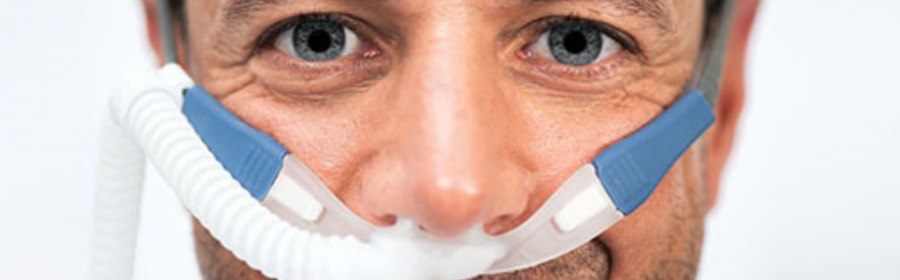
In patients at high risk of respiratory complications after cardiac surgery, does the routine application of high-flow nasal oxygen compared to standard oxygen reduce hospital length of stay?
Continue reading »A compendium of critical appraisals in Intensive Care Medicine research and related specialties
A collection of TBL summaries relevant to Intensive Care Medicine
In patients at high risk of respiratory complications after cardiac surgery, does the routine application of high-flow nasal oxygen compared to standard oxygen reduce hospital length of stay?
Continue reading »
Transfusion Volume for Children with Severe Anaemia in Africa K.Maitland. New England Journal of Medicine August 1st 2019; 381:5; 420-431. doi: 10.1056/NEJMoa1900100 Clinical Question In African children presenting to hospital with severe anaemia, is a blood transfusion volume of 30 ml/kg superior to 20 ml/kg in reducing 28 day mortality? Background Severe anaemia is a major cause of death and […]
Continue reading »
In adults with decompensated heart failure who are at high-risk of diuretic resistance, does furosemide administered by infusion compared to intermittent bolus increase the incidence of freedom from congestion at 72 hours?
Continue reading »
In obese patients, does the use of recruitment maneuvers with high PEEP, compared with low PEEP, decrease postoperative pulmonary complications?
Continue reading »
In adult critically ill patients with hypoxemic respiratory failure necessitating intubation, does high-flow nasal cannula (HFNC) compared to bag-valve-mask (BVM) for both pre-oxygenation and oxygenation during intubation reduce desaturation?
Continue reading »
In patients with cirrhosis and acute variceal bleeding, does early transjugular intrahepatic portosystemic shunt (TIPS) compared to standard care increase transplant-free survival?
Continue reading »
In severely injured trauma patients, where anticoagulation is contraindicated, does the use of prophylactic inferior vena cava filters reduce the incidence of pulmonary embolism (PE)?
Continue reading »
In patients with moderate to severe ARDS, does a strategy of early neuromuscular blockade with heavy sedation, as opposed to usual care with lighter sedation targets, result in a lower 90 day mortality?
Continue reading »
In critically ill adults, does haloperidol 1 mg or haloperidol 2 mg given three times a day compared to placebo reduce mortality?
Continue reading »
In adult patients with sepsis-associated coagulopathy does the administration of human recombinant thrombomodulin (rhsTM) compared to placebo reduce 28 day mortality?
Continue reading »