SCARLET

In adult patients with sepsis-associated coagulopathy does the administration of human recombinant thrombomodulin (rhsTM) compared to placebo reduce 28 day mortality?
Continue reading »A compendium of critical appraisals in Intensive Care Medicine research and related specialties

In adult patients with sepsis-associated coagulopathy does the administration of human recombinant thrombomodulin (rhsTM) compared to placebo reduce 28 day mortality?
Continue reading »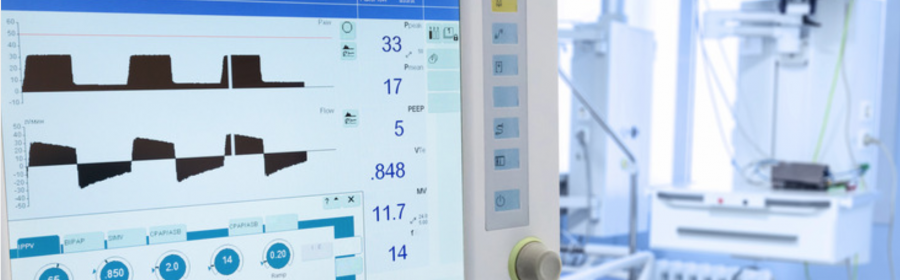
Does titrating positive end-expiratory pressure (PEEP) with the use of an esophageal balloon to estimate pleural pressure improve outcomes compared with an empirical high PEEP –FiO2 strategy in patients with moderate – severe acute respiratory distress syndrome (ARDS)
Continue reading »
In ventilated, critically ill patients, does the use of dexmedetomidine as the primary sedative agent compared with usual sedative agents effect 90 day mortality?
Continue reading »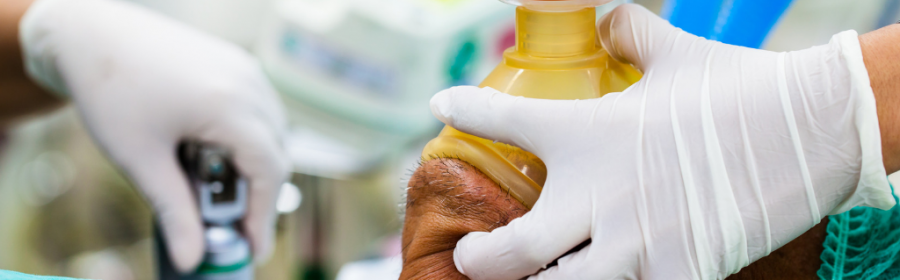
In adult ICU patients undergoing tracheal intubation, does bag mask ventilation (BMV) between induction and laryngoscopy reduce the risk of hypoxaemia?
Continue reading »
In patients with septic shock, does the administration of thiamine lead to more rapid lactate clearance and improved clinical outcomes?
Continue reading »
In high-risk patients undergoing major abdominal surgery, does epidural analgesia compared with no epidural analgesia reduce mortality and morbidity?
Continue reading »
In adult patients with early septic shock, does peripheral perfusion-targeted resuscitation, compared to lactate level-targeted resuscitation, improve all cause mortality at 28 days?
Continue reading »
In adult patients undergoing abdominal surgery, with intermediate-to-high-risk of post-operative pulmonary complications, will an individualised perioperative open-lung ventilation strategy (iPROVE), compared with standard protective ventilation, result in fewer post-operative complications during the first 7 days post surgery
Continue reading »
In patients with septic shock, does early low-dose norepinephrine compared with standard care increase shock control at six hours?
Continue reading »
Do one or more doses of levocarnitine reduce organ failure in septic shock at 48 hours, compared with placebo?
Continue reading »